Squamish is where Vancouver overheated-market refugees become outdoor enthusiasts. Whether you're a climber buying a townhouse near the Chief, a remote worker seeking mountains and small-town soul, or a downhill skier splitting time between Whistler and a home base — Squamish rewards buyers who understand the outdoor recreation economy, the FBT and SVT landscape, and the difference between Garibaldi Highlands and Downtown lifestyle.
Why Buy in Squamish, BC?
Squamish is Canada's outdoor recreation capital. Located 45 minutes north of West Vancouver on the Sea-to-Sky Highway, the municipality has exploded from a sleepy mill town (population ~15,000 in 2010) to a vibrant 25,000-person community driven by tourism, remote work, and Vancouver-affordability migration. The Stawamus Chief is the world's most accessible granite cliff climbing area. The Squamish Spit is a kiteboarding haven. Mountain biking trails crisscross the region. The Sea-to-Sky Gondola opened in 2018, adding year-round recreation. Whistler-Blackcomb ski resort is 90 minutes away by car.
Buyers come for three reasons: outdoor lifestyle (climbers, mountain bikers, skiers, paddlers), small-town character with big-city services (breweries, restaurants, growing tech scene), and relative affordability compared to Vancouver. A $1.55M detached home in Squamish offers more square footage and outdoor access than a $2.3M North Shore comparable. Sellers benefit from strong buyer demand from Vancouver upsizers, international climbing communities, and remote-work professionals who can live anywhere.
The legal layer is significant: FBT applies (20% additional PTT), SVT applies (0.5% Canadian / 2% foreign annually), Bill 44 multifamily requirements are in effect, and the controversial Woodfibre LNG project under construction adds infrastructure questions. Always factor these into valuations and buyer conversations.
Visual 1: Squamish Benchmark Prices (2026)
*Garibaldi Highlands detached may command $1.95M–$2.5M. Downtown walkable units trade lower. Contact Dan for precise neighborhood CMAs.
The Comprehensive Squamish Neighborhood Directory
Squamish is organized by elevation, recreation access, and density. Here is a detailed breakdown of every major neighborhood:
1 Garibaldi Highlands
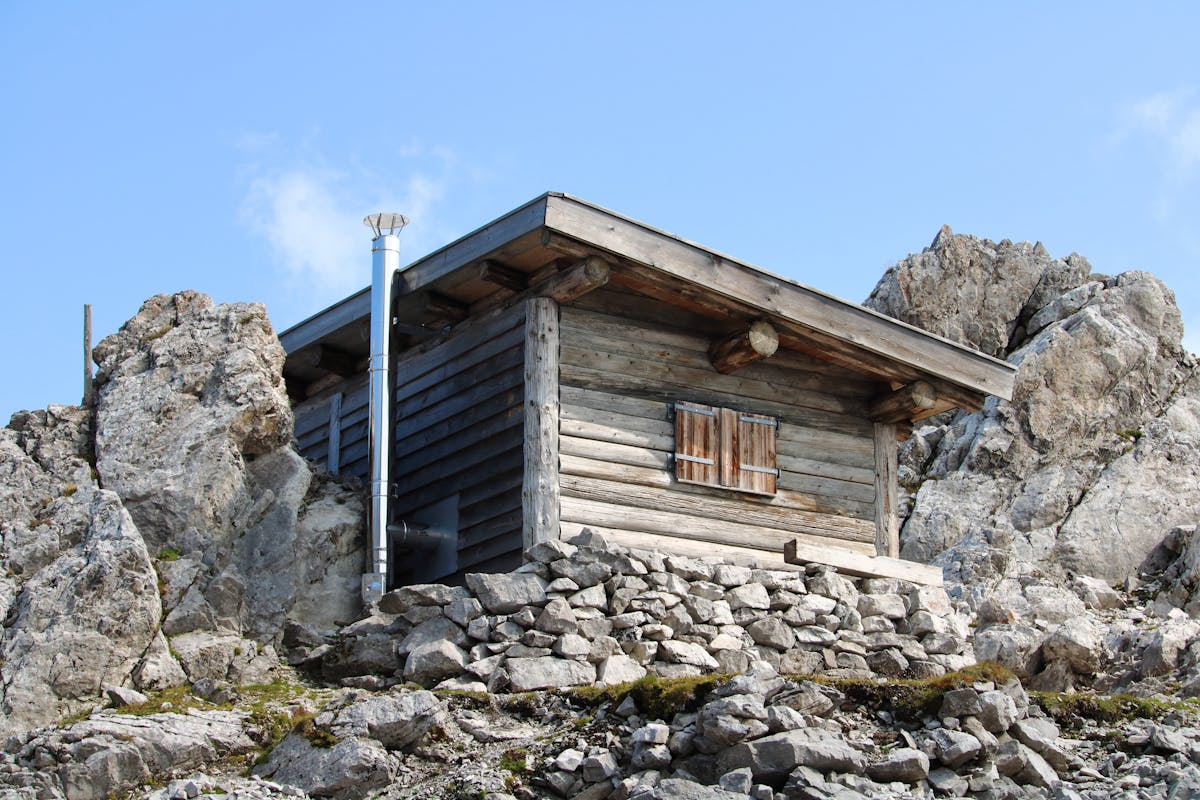
Squamish's premium neighborhood. Garibaldi Highlands sits on the bench north of downtown with view lots, large parcels, and executive-finish detached homes priced $1.95M–$2.5M. Views of the Squamish Valley, glacier fields, and surrounding peaks. Covenant-controlled; many homes feature modern architecture and outdoor entertainment spaces. Popular with Vancouver upsizers and remote-work professionals. Strong schools (Howe Sound Secondary catchment). Proximity to hiking trailheads and outdoor access is a major draw.
2 Brackendale
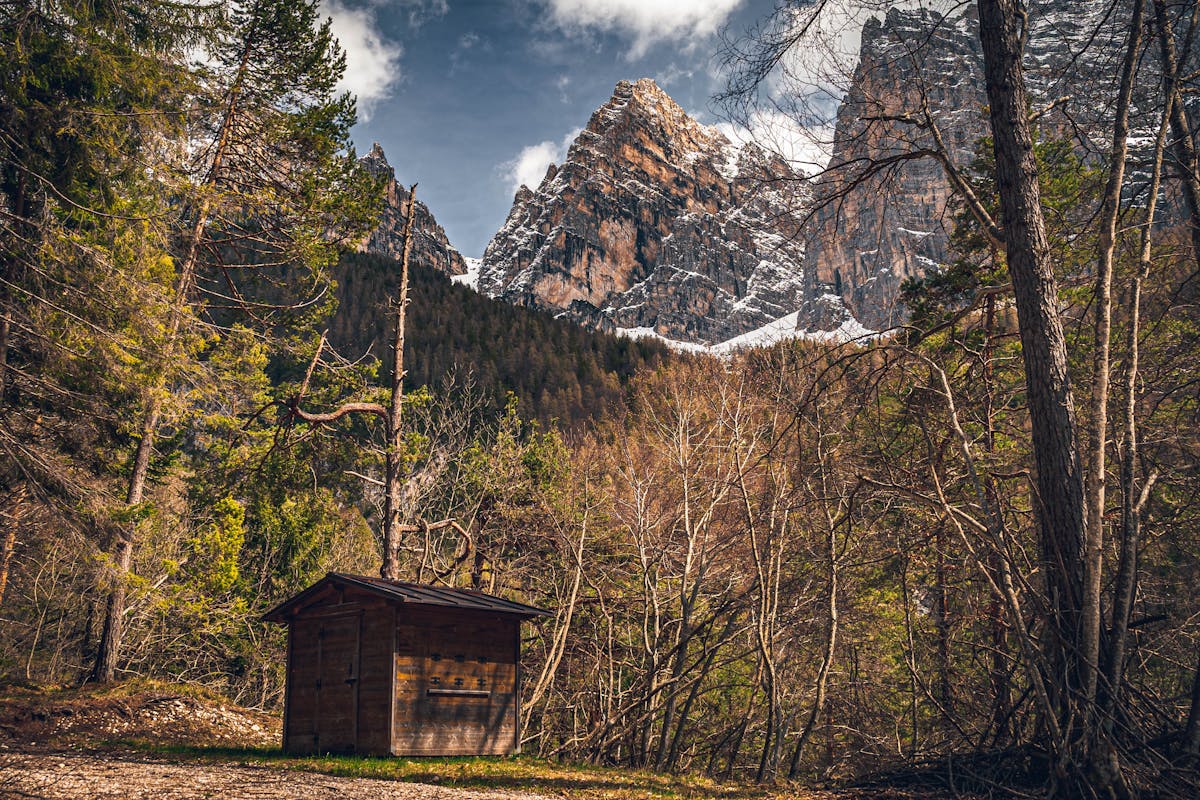
North Squamish heritage neighborhood. Brackendale is known for the Cheekye River eagle sanctuary — thousands of bald eagles winter in the valley (November–March), making it a world-class wildlife viewing area. Mix of character homes (craftsman, Tudor), newer builds, and some hobby farms. Prices $1.30M–$1.75M detached, mid-range for Squamish. Popular with outdoor enthusiasts seeking quieter, more rural setting. Good for families; schools: Don Ross Secondary. Close to hiking and river access.
3 Downtown Squamish
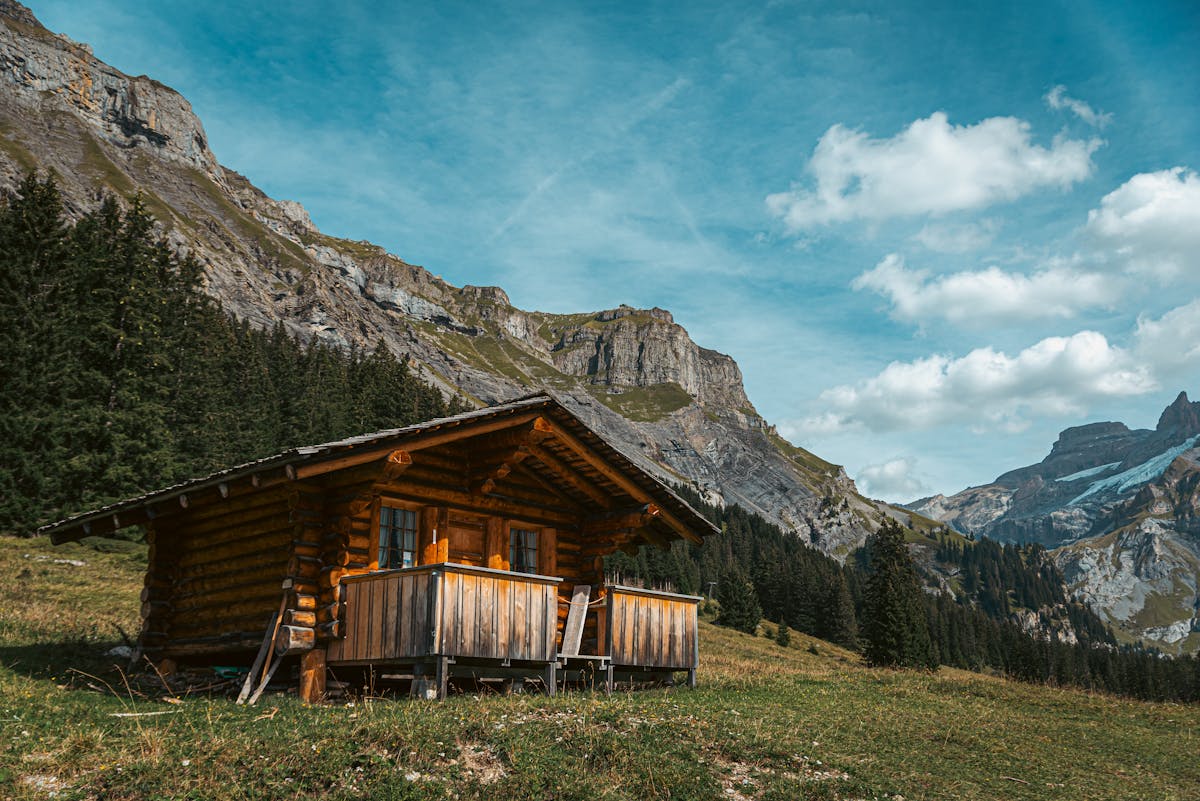
The walkable core. Downtown Squamish (Cleveland Avenue corridor, Mamquam Road) is the active, mixed-use center with restaurants, breweries, galleries, outdoor shops, and climbing gyms. New multifamily infill under Bill 44 is adding density. Townhouses $850K–$1.35M, condos $650K–$950K. Walkable to work, shops, and the waterfront. Popular for young professionals and first-time buyers. Less premium than Highlands, more convenient than Brackendale. Strong retail and restaurant scene post-2020 revitalization.
4 Valleycliffe
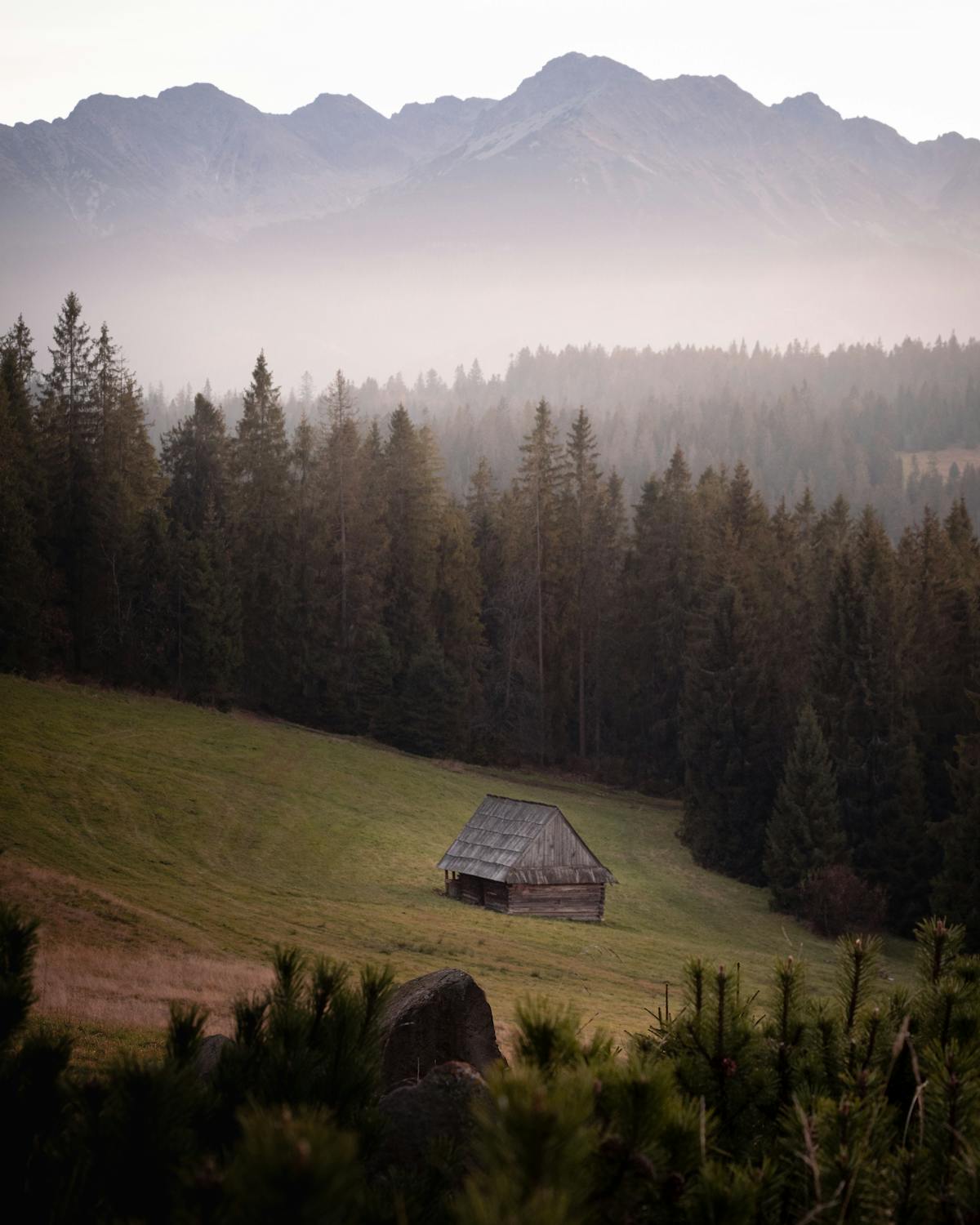
The outdoor lover's pocket. Valleycliffe (east side, near Smoke Bluffs and climbing trailheads) is a quiet residential neighborhood with proximity to world-class climbing and hiking. Detached homes $1.35M–$1.75M, townhouses $900K–$1.2M. Mix of established homes and newer construction. Good schools; park and trail access is immediate. Popular with climbers and mountain bikers. Slightly less pricey than Garibaldi Highlands, less walkable than Downtown, but superior trail access.
5 Tantalus / Quest University Area
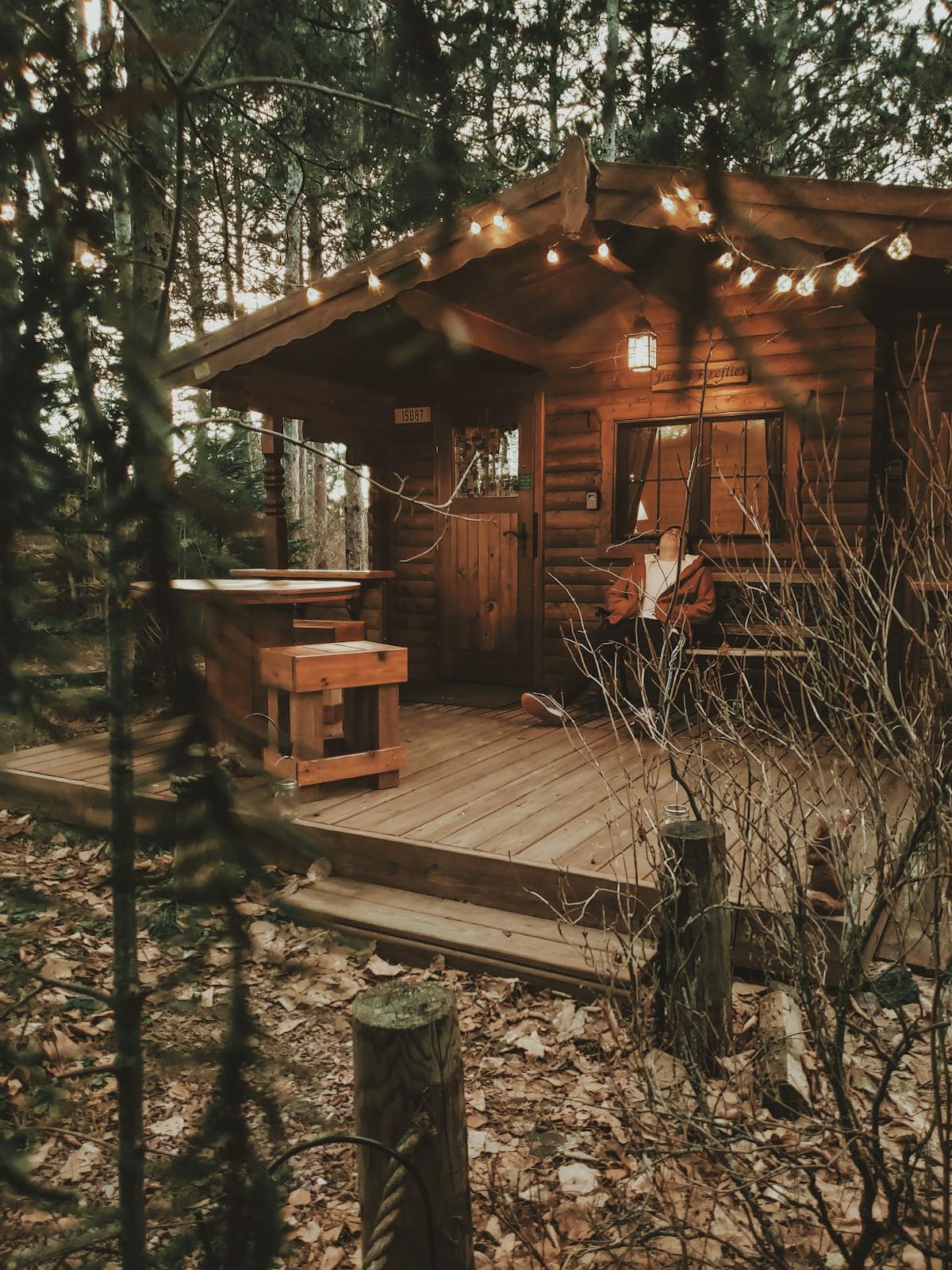
The university neighborhood. Quest University opened in 2007 on the bench, anchoring a growing student and staff community. Tantalus includes newer infill, townhouses, and mixed-use development. Detached homes $1.40M–$1.80M, townhouses $900K–$1.35M. Younger demographic, good schools (Howe Sound Secondary), university-adjacent services. More transient than other neighborhoods but appealing for families with university ties. Bench views without Garibaldi Highlands premium pricing.
6 Squamish Oceanfront
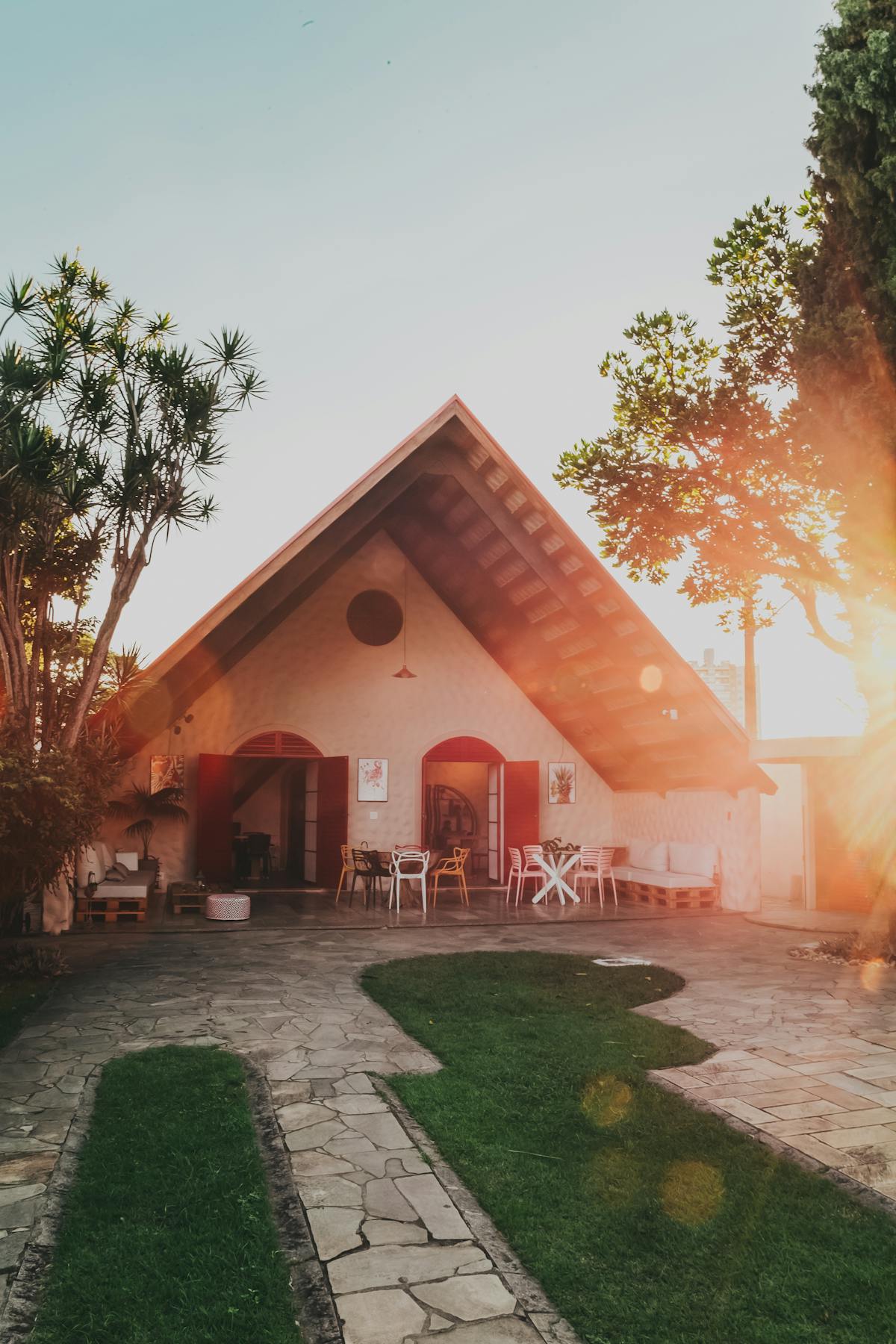
The waterfront master-plan. Squamish Oceanfront is a new mixed-use development on the Squamish Spit with waterfront townhouses, condos, and commercial space. Prices $1.2M–$1.8M townhouse, $900K–$1.35M condo. Access to the Spit kiteboarding lagoon and local beaches. Modern architecture, walkable design, kiteboarding culture. Premium for waterfront location and recreation access. Fastest-growing neighborhood, popular with young professionals and outdoor athletes.
Other Squamish Pockets Worth Knowing
Highlands — Mixed residential between Garibaldi Highlands and Downtown. Less premium than Garibaldi. $1.35M–$1.65M detached. Good school access, walkable strips.
Hospital Hill — Quiet residential pocket near Squamish General Hospital. Good schools (Howe Sound). $1.40M–$1.75M detached. Family-friendly.
Ravens Plateau — East side plateau with views. Newer subdivisions, 2000s-era homes. $1.45M–$1.85M. Quieter than downtown, less commercial services.
Garibaldi Estates — South of Garibaldi Highlands, lower elevation. Slightly less premium. $1.35M–$1.70M. Popular with families seeking established neighborhoods.
Dentville — Historic industrial village area south of Downtown. Transitional zoning, mixed character. Lower pricing. $1.0M–$1.40M. Less desirable for families but potential investment opportunity.
Britannia Beach — Separate community south of Squamish (technically Lower Squamish). Mining heritage, small beach town character. More rural, less developed services. Prices vary widely.
Furry Creek — South of Squamish on the Sea-to-Sky, master-planned community. Gated, resort-style. Premium pricing, 1.5+ hours from downtown Vancouver.
Crumpit Woods / Plateau / Woodfibre — North and west Squamish with Woodfibre LNG proximity. Lower pricing, industrial considerations. $950K–$1.40M.
University Heights (near Quest U) — Mix of student housing, young families, rental units. Mix of townhouse and condo. $800K–$1.2M.
The Outdoor Recreation Economy & Woodfibre LNG
Squamish's real estate market is inseparable from outdoor recreation. The Stawamus Chief climbing area draws climbers from around the world. Mountain biking trails (Whistler Northshore plus dedicated Squamish trails) attract a global audience. The Squamish Spit kiteboarding lagoon is a top global kite-spot. The Sea-to-Sky Gondola (opened 2018) added year-round summer tourism and recreation. Whistler-Blackcomb ski resort is 90 minutes north. Buyers are typically outdoor-first, lifestyle-first professionals who accept commute pain for recreation access. Property values reflect recreation proximity — a townhouse three blocks from a climbing gym trades higher than equivalent square footage two miles away. Market buyers are younger (average age 35–50), active, and community-oriented.
The Woodfibre LNG project is a major construction / economic infrastructure story. Located south of Squamish, Woodfibre LNG is a liquefied natural gas export terminal under development. It represents significant capital investment, regional employment, and industrial activity — but also environmental concerns (marine environment, greenhouse gas, cumulative regional impacts) and community debate. The project timeline and status may affect regional property values, infrastructure costs, and environmental quality in different ways. Agents should research current project status and provide neutral, factual information to buyers. Some buyers view it as economic development; others have environmental concerns. Be transparent about both perspectives.
Squamish Tax Stack: FBT, SVT, Bill 44, UHT
Squamish, in the Squamish-Lillooet Regional District, has designated FBT (since February 2018) and SVT designations:
This is a simplified summary. Confirm with a tax accountant and your lawyer. Squamish does not have a municipal Empty Homes Tax, but provincial SVT applies.