
Pitt Meadows is not for everyone—it is for buyers seeking space, rural character, and the significant tax advantage of being outside the GVRD (no Foreign Buyer Tax, no SVT). The Agricultural Land Reserve dominates the landscape. You need a Medallion Club agent who can decode ALR restrictions and match properties to equestrian, agricultural, and rural lifestyle buyers.
Why Buy in Pitt Meadows, BC?
Pitt Meadows is a small municipality (roughly 18,000 residents) sitting north and east of Port Coquitlam, outside the Greater Vancouver Regional District. This geographic distinction is material: Pitt Meadows is NOT subject to the 20% Foreign Buyer Tax, Speculation and Vacancy Tax, or the Federal Underused Housing Tax that apply to GVRD municipalities. For international buyers and wealthy remote workers, this tax advantage alone justifies the longer commute and limited urban amenity.
The defining geographic feature is the Agricultural Land Reserve (ALR), which covers approximately 80% of Pitt Meadows. ALR designation protects farmland from residential subdivision and urban sprawl; it forbids densification and limits single-family residential to one dwelling per property (with narrow exceptions for secondary suites). The consequence: large, undivided lots with limited development upside, but restricted supply creates pricing floors and appeal to buyers seeking privacy, acreage, and rural character.
Pitt Meadows attracts specific buyer cohorts: equestrian families with horse properties; agricultural or hobby-farm operators; blueberry farmers; empty-nesters downsizing from larger acreage; wealthy remote workers willing to trade commute time for tax savings and private land; and international buyers for whom the no-FBT advantage is material. The housing stock is sparse, prices per-square-foot are lower than Port Moody or Port Coquitlam, but lot sizes are larger and character is profoundly rural.
Osprey Village (South Meadows) is the sole urban pocket—waterfront townhomes and condos with retail and services, the only neighborhood with true walkability. The rest of Pitt Meadows is car-dependent, low-density, and land-focused.
Visual 1: Pitt Meadows Benchmark Prices (2026)
*Estimates for illustrative purposes based on REBGV composite benchmarks. Pitt Meadows has lower per-sq-ft prices but larger lots. Contact me for exact localized metrics.
The Complete Pitt Meadows Neighborhood Directory
Pitt Meadows is geographically and demographically less stratified than Port Moody or Port Coquitlam. Most neighborhoods are indistinct rural residential or ALR acreage. The five meaningful submarkets are driven by location, waterfront access, and ALR restrictions rather than historical character or infrastructure. Here is the complete breakdown:
1 South Meadows & Osprey Village Waterfront

The only urban pocket. Osprey Village is a mixed-use waterfront development along the Pitt River in South Meadows, offering townhomes, condos, and some detached homes with water views, park access, and walkable retail. It is the sole neighborhood in Pitt Meadows with pedestrian amenity, community gathering spaces, and urban-style density. Waterfront and walkability premiums are measurable: a condo in Osprey Village commands 20-30% more than an identical unit inland. Younger demographics, families, and empty-nesters seeking waterfront but not extreme rural isolation gravitate here. West Coast Express Meadowvale Station is nearby but under-utilized by Osprey residents.
2 Mid Meadows
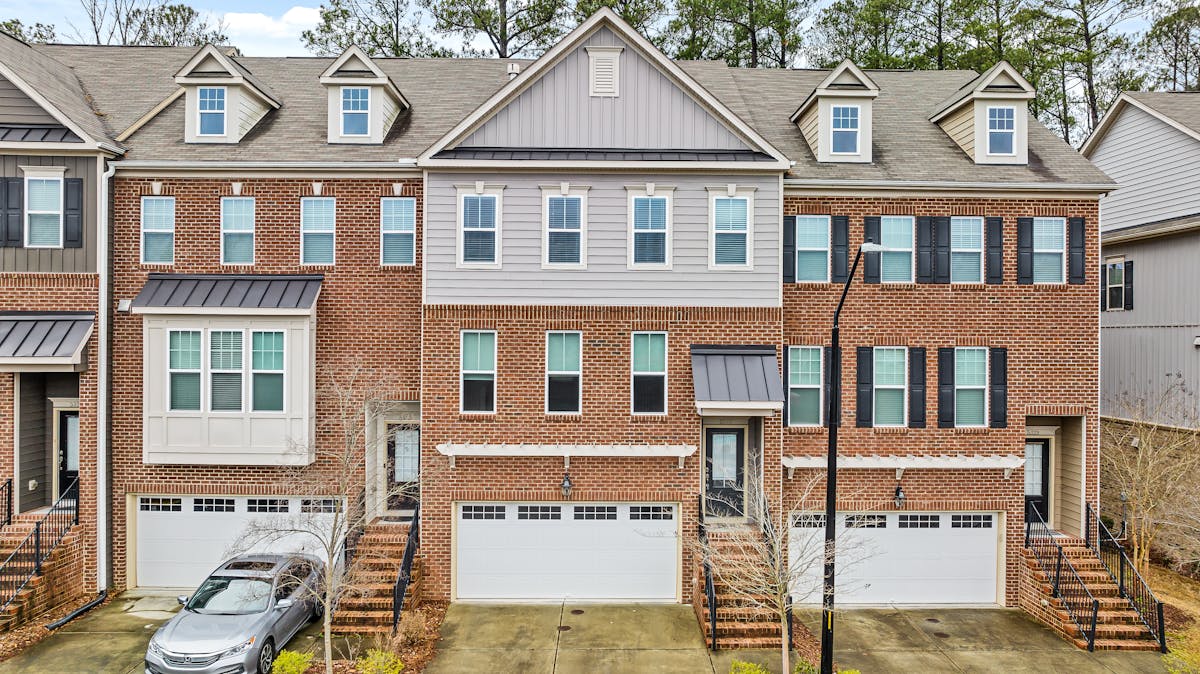
Typical ALR rural residential. Mid Meadows encompasses central Pitt Meadows with typical lots of 1-5 acres, most under ALR restrictions. Single-family homes, many with agricultural improvements (pasture, fencing, outbuildings), dot the landscape. Buyer mix is diverse: established families, hobby farmers, equestrian operators, and retirees seeking space and quiet. Homes are often 20+ years old with periodic renovation. Car-dependent; no walkable retail within the neighborhood. Values are determined primarily by acreage, improvements (stables, workshops), and soil/drainage for agricultural use.
3 North Meadows

Rural estates and acreage. North Meadows is the northernmost residential pocket, with larger average lot sizes (2-10 acres typical) and lower density. Some properties front the Pitt River or back onto regional parks. Forest and creek environments dominate. Equestrian properties are more common here than South Meadows. Homes are often set back from roads, emphasizing privacy and land. Prices per-square-foot are slightly lower than Mid Meadows due to greater isolation; buyers explicitly trade commute time and services for land and solitude. Agricultural use is viable on many properties.
4 West Meadows
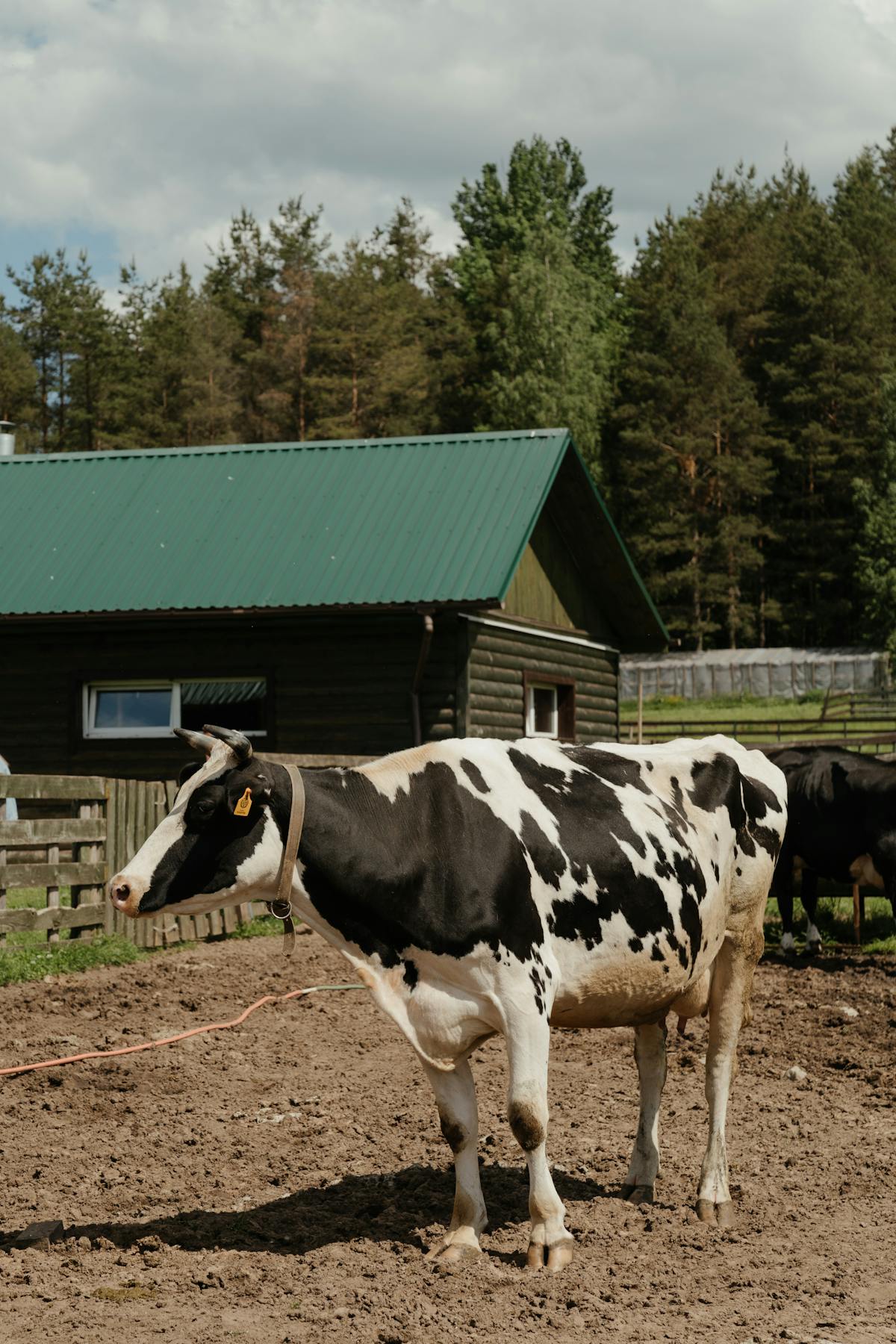
Agricultural and hobby-farm heartland. West Meadows retains the strongest agricultural character—blueberry farms, orchards, and market gardens still operate here. Many properties have commercial agricultural improvements (irrigation, packing houses, crop structures). Buyers include both lifestyle farmers and agricultural operators. Properties often exceed 2-3 acres and are zoned or managed for farming use. Prices depend heavily on soil quality, drainage, existing infrastructure, and market crop potential. Some properties are working commercial operations generating farm income, offsetting carrying costs for cash-strapped buyers.
5 Pitt Meadows Town Centre & Central Meadows

The civic and light mixed-use core. Pitt Meadows Town Centre sits near civic facilities (library, recreation center, municipal offices) with light commercial and some residential mixed in. Central Meadows is the immediate surrounding residential area. These pockets have slightly higher density than outlying ALR areas but remain car-dependent. Schools and recreation facilities are local anchors. Properties include mix of older single-family homes and some townhouses. Prices are moderate; buyers here seek balance between rural character and access to community services without full urban density or waterfront premium.
Other Pitt Meadows Pockets Worth Knowing
East Meadows — Lowest-density eastern pocket, bordering Maple Ridge. Large lots (3-10 acres), forest environment, creek access. Isolated and quiet. Very limited supply and sales volume. Niche market for privacy seekers.
Agricultural Land Reserve / Blueberry Belt — The vast majority (80%) of Pitt Meadows land. Working farms, hobby properties, estates on ALR. Limited residential development potential due to ALR restrictions. Values driven by land quality, acreage, agricultural improvements, and crop potential.
The Agricultural Land Reserve: Restrictions & Implications for Buyers
The Agricultural Land Reserve (ALR) is a provincial land use designation protecting farmland from urban sprawl and residential subdivision. Approximately 80% of Pitt Meadows is within the ALR. Understanding ALR restrictions is essential before any Pitt Meadows purchase, as they profoundly affect value, future use, and financing.
Key ALR restrictions: Properties within the ALR cannot be subdivided for residential development. One dwelling per property is the norm; secondary dwelling units (suites, coach houses) may be permitted in narrow circumstances, but densification to 4-plex (Bill 44) is prohibited. Agricultural use is permitted and protected; conversion to commercial or urban use requires provincial ALR exemption (very difficult to obtain). The intention is to preserve farmland forever.
What this means for buyers: ALR properties have limited downside (you can't make the lot more rural than it already is), but also limited upside (no subdivision into smaller parcels, no 4-plex conversion, no commercial development without exemption). This is attractive to buyers seeking long-term land value and rural lifestyle, but terrifying to speculators expecting densification-driven appreciation. Prices are lower than equivalent non-ALR properties in Port Moody or Port Coquitlam, reflecting these constraints.
Equestrian and agricultural potential: ALR classification, while restrictive, is intentionally designed to support agricultural use. Properties with pasture, stables, water, and good drainage command premiums from equestrian and hobby-farming buyers. Soil quality, drainage, and existing agricultural improvements are value drivers. A 5-acre property with a barn and pasture is worth more (to the right buyer) than identical acreage without improvements.
Tax advantages: Some ALR agricultural properties qualify for agricultural tax assessment, lowering property taxes. To qualify, the property must generate meaningful farm income. This is a crucial planning point—a blueberry farm generating $20K+ annual farm revenue may see 50%+ property tax reductions. Always model agricultural tax status with the municipality and a tax accountant.
Provincial exemptions: ALR land can be exempted by provincial decision, but exemptions are extremely rare and require proof that the land is unsuitable for agriculture or a compelling public interest. Most buyers cannot count on future exemptions; you must assume ALR restrictions are permanent.
Pitt Meadows Tax Stack: NO Foreign Buyer Tax or SVT
This is Pitt Meadows' major tax advantage: it is outside the GVRD, so Foreign Buyer Tax and Speculation and Vacancy Tax do NOT apply. This is a material tax advantage over Port Moody and Port Coquitlam, especially for international buyers and wealthy remote workers. Model these costs carefully:
This is a simplified summary. Always confirm with a tax accountant and real estate lawyer before completion. The absence of Foreign Buyer Tax and SVT in Pitt Meadows makes it significantly more tax-efficient than Port Moody or Port Coquitlam for foreign buyers and investors. However, ALR restrictions limit densification and development upside. Confirm ALR status and future use intentions with the municipality before purchase.