
Welcome to the most internationally connected city in Canada. Richmond is delta-flat, transit-served, and culturally distinct from any other Metro Vancouver municipality. Whether you're chasing a Steveston heritage cottage, a Brighouse Canada Line tower, or a Terra Nova family rancher, you need an agent who reads Flood Construction Levels, dike setbacks, and Bill 47 transit-oriented density.
Why Buy in Richmond, BC?
Richmond is a 130 km² island municipality at the mouth of the Fraser River, home to about 220,000 people. It is a low-elevation delta city — most of the land base sits at or below sea level and is protected by an active dike system that the city has been progressively raising and reinforcing under its multi-decade Flood Protection Strategy. The dike system is the defining infrastructure of the city.
Buyers come for several distinct reasons: the Canada Line's 25-minute downtown commute (Bridgeport, Aberdeen, Lansdowne, Richmond-Brighouse stations); School District 38's strong public secondary lineup (Steveston-London, Hugh McRoberts, R.A. McMath); YVR-international-airport proximity for cross-border families; and a deep retail and dining ecosystem (Aberdeen Centre, Lansdowne Centre, the food courts and restaurants concentrated around Alexandra Road, "Wood Boat Quay" night market in summer).
The legal layer is non-trivial. Bill 44 multiplex frameworks apply citywide, Bill 47 Transit-Oriented Area zoning surrounds each Canada Line station, the dike setback and FCL (Flood Construction Level) requirements affect every renovation and new build, and the city's Steveston Conservation Area protects the heritage village core. The 20% Foreign Buyer Tax applies, the Speculation and Vacancy Tax applies, and the Federal Underused Housing Tax often catches non-resident owners. Richmond does not have a municipal Empty Homes Tax (that is City of Vancouver only).
Visual 1: Richmond Benchmark Prices (2026)
*Estimates for illustrative purposes based on REBGV composite benchmarks. Contact me for exact localized metrics.
The Massive Richmond Neighborhood Directory
Richmond is officially divided into a dozen-plus planning areas. Here is a comprehensive guide to every one that moves price:
1 Steveston Village

The historic fishing-village core at the southwest tip of Richmond. Heritage canneries, the Britannia Shipyards National Historic Site, the Gulf of Georgia Cannery, and the Imperial Landing and Bayview waterfront developments. Steveston-London Secondary catchment is one of the strongest in Richmond. The Steveston Heritage Conservation Area constrains demolition and infill on Moncton Street and the original village blocks. Newer Steveston North and Steveston South developments command premiums to mainland Richmond.
2 Brighouse / Richmond Centre

The downtown core. Brighouse is anchored by Richmond Centre Mall (currently undergoing a major mixed-use redevelopment), the Richmond-Brighouse Canada Line terminus, and the city hall / civic precinct. Bill 47 unlocks 20+ storey mid- and high-rise within 800m of the station. The current pipeline of new towers is the largest of any Richmond submarket.
3 Lansdowne / Aberdeen / West Cambie
The other Canada Line corridor. Lansdowne Centre Mall (slated for major redevelopment), Aberdeen Centre, Yaohan Centre, and the dense restaurant/retail concentration along Alexandra Road, No. 3 Road, and Cambie Road. Mid-rise condo and townhouse stock dominates here, with substantial new wood-frame and concrete pipeline. Strong rental absorption from international students and YVR-area workers.
4 Terra Nova & Seafair
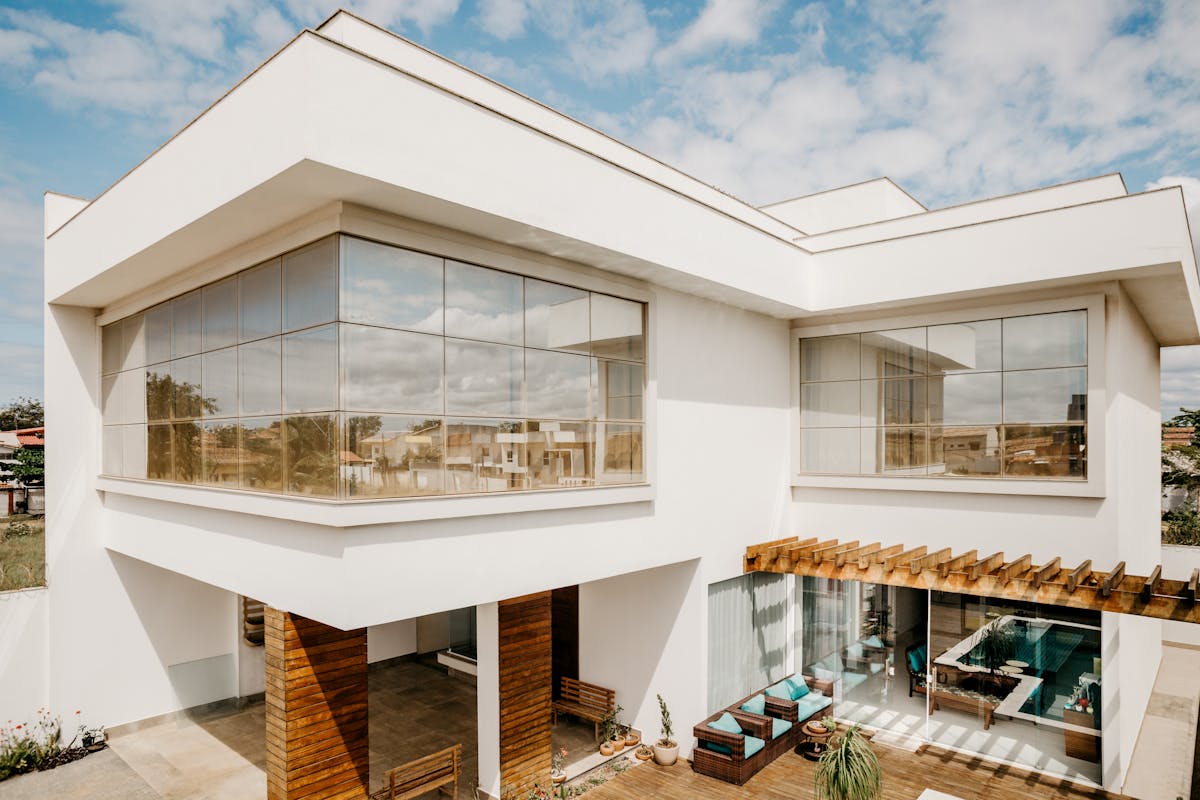
The northwest waterfront family-detached stronghold. Terra Nova was master-planned in the late 1990s with predominantly executive detached on 50-foot lots backing onto Terra Nova Rural Park, the West Dyke Trail, and the Quilchena Golf Course. Seafair, just south, has slightly smaller lots and is somewhat older. Both feed into Hugh Boyd Secondary and command meaningful premiums above the Richmond detached benchmark.
5 Hamilton & East Richmond
The eastern edge of Richmond, between Highway 91 and the Queensborough Bridge into New Westminster. Hamilton is the most affordable Richmond submarket, with townhouses and modest detached on smaller lots. Excellent commuter access to New West, Surrey, Burnaby. Newer master-planned developments like Hamilton Village add walkable amenity. Trades at a meaningful discount to mainland Richmond detached.
Other Richmond Pockets Worth Knowing
Riverdale — North-central Richmond between No. 1 and Garden City roads, north of Westminster Highway. Family-friendly detached and townhouse, good catchment to Burnett Secondary.
Broadmoor — South-central, around Broadmoor Park. Strong McNair and McRoberts catchments. Mostly detached on 50- or 60-foot lots.
Granville — Central-west Richmond around Granville Avenue. Mature detached neighborhoods, J.N. Burnett Secondary catchment, larger lot widths than Brighouse or Lansdowne.
Saunders — South Richmond, between No. 1 and No. 3 roads. Mostly detached, some townhouse pockets. McMath Secondary catchment.
Boyd Park — West-central, around Hugh Boyd Secondary. A solid mid-tier detached neighborhood feeding into one of Richmond's best public secondaries.
McLennan & Bridgeport — North Richmond near the airport. Bridgeport is the first Canada Line stop; substantial industrial mixed with newer mid-rise residential. The River Rock Casino and adjacent hotels are major employers and traffic generators.
Ironwood / Garden City — Southeast Richmond near Highway 99, anchored by Ironwood Plaza. Family detached and townhouse, with active TOD development around Ironwood.
Thompson — West Richmond, mid-1980s/90s detached and townhouse, near McMath Secondary. Quieter, family-oriented.
Westwind — Southwest Richmond near Steveston, family detached, mid-rise and ranch-style stock.
Sea Island & YVR — Almost entirely airport and aviation employment, with limited residential. Mostly long-term aviation worker rentals.
South Arm & Lackner — Eastern-central Richmond. South Arm is family detached around the Steveston Highway corridor; Lackner is north of Steveston Highway with smaller lots.
Riverport / Imperial Landing — South Richmond on the Fraser River dyke, with newer waterfront developments and a movie complex / entertainment hub at Riverport.
Richmond Flood Construction Levels & The Dike System
Richmond's defining infrastructure constraint is the dike. The City of Richmond requires the lowest habitable floor of new construction to sit at or above the Flood Construction Level (FCL), typically around 3.5m geodetic. For renovations and additions, the city may require the structure to be raised — significantly increasing project cost. Buyers should pull the FCL for any specific lot before unconditional offers and confirm whether the existing slab is compliant. Insurance (overland flood and earthquake) is increasingly important; many older homes have under-elevated slabs that limit insurer appetite.
Richmond Tax Stack: PTT, FBT, SVT, UHT
Richmond does not impose a municipal Empty Homes Tax. The City of Vancouver is the only Lower Mainland city with one.